Passivhaus
Passivhaus performance.
Certified low-energy buildings live or die on the window line. Every F-Series fiberglass frame suits Passivhaus work; the GR85 Dual Action is tested and rated to PHIUS.
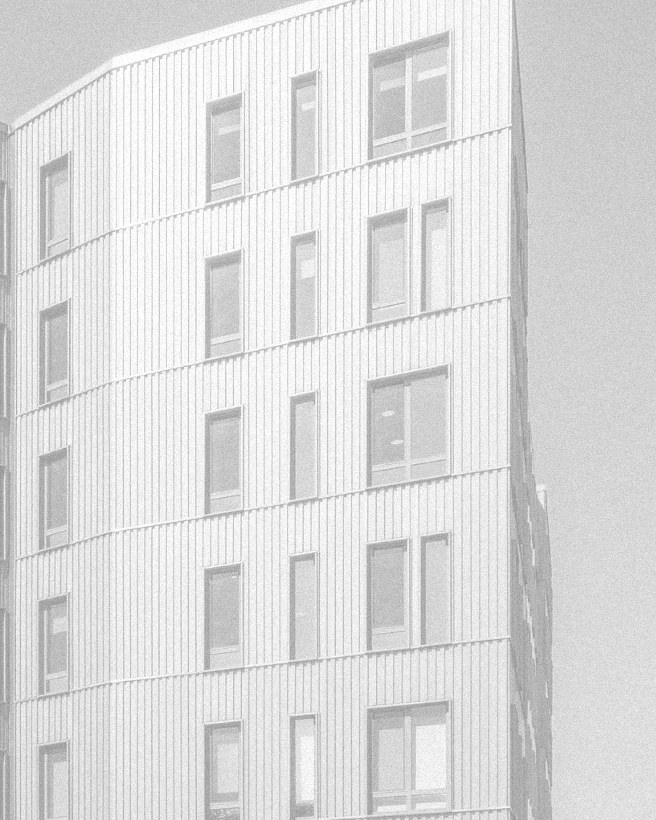
Passivhaus sets the tightest thermal and airtightness targets in the industry, and the window is usually the weakest point in the wall. A fiberglass frame is the right answer: it barely conducts heat, needs no separate thermal break, and moves with the glass so the seals stay tight for decades.
Every fiberglass frame in the F-Series is suitable for a Passivhaus project. The GR85 Dual Action is the system that has been tested and rated to PHIUS, so specify it when the target is certification or the lowest possible whole-window U-value. The hybrid vacuum glazing carries the assembly toward a U-value approaching zero.


The GR85 Dual Action is tested and rated to PHIUS, and the fiberglass frames are built to Passive House Institute Certified Component standards.
Energy performance
Passive-house-grade glazing that pays for itself.
Because the hybrid vacuum glazing meets international passive-house window requirements on its own, the wall can reach certification without over-building elsewhere. It cuts reliance on heating and cooling equipment and lowers energy use per unit of floor area by roughly 20% against the same building glazed with a conventional insulated unit. Specified during design rather than added later, the upfront premium typically pays back in about two years.
Window and door types for this building
GR85 Dual Action
The Passivhaus workhorse — 85 mm fiberglass frame, triple or vacuum glazing, tested and rated to PHIUS.
Deep fiberglass frames
GR85 casement and GR85 swing door carry the same 85 mm depth through operable windows and doors.
Hybrid vacuum glazing
An argon unit stacked with a vacuum unit reaches wall-level insulation in an ordinary glazing pocket. See the Glass page for how it works.
Which product families apply
Passivhaus projects use the fiberglass F-Series. The hurricane A-Series aluminum line is not part of the Passivhaus offering — solid aluminum conducts far too much heat to approach certification-level U-values, so it is reserved for impact-driven coastal work.